

November 13, 2025 | Washington, D.C.
The historic 43-day federal government shutdown officially ended this week with President Trump signing a bill to fund the government through January 2026. Yet for hundreds of thousands of federal workers, returning to their jobs marks the start of a challenging recovery rather than a return to normalcy.

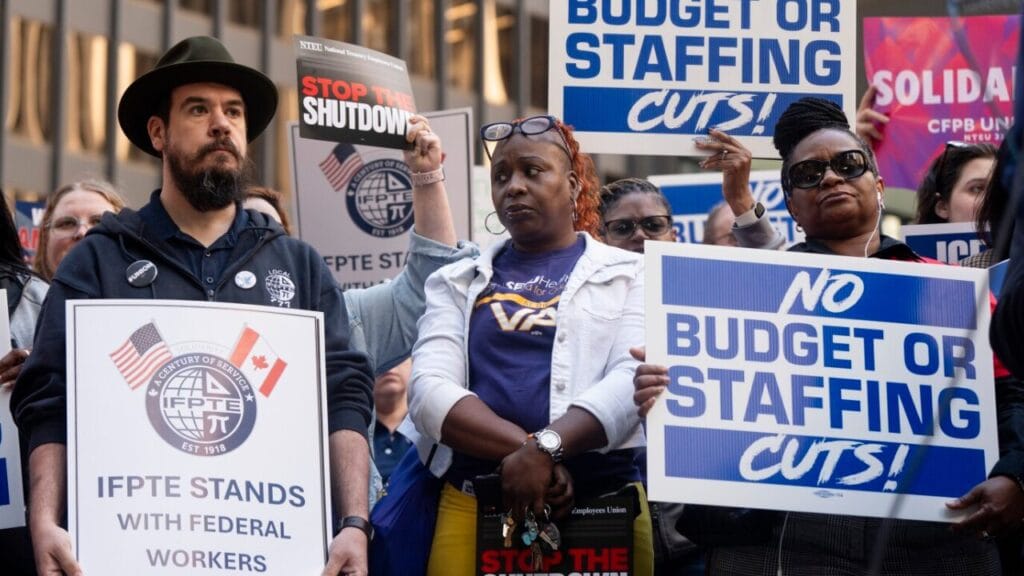
Struggles of Federal Employees
Approximately 900,000 federal employees were furloughed without pay during the shutdown, while an additional 700,000 continued working without pay, including key roles such as air traffic controllers and TSA officers. The financial strain was severe for many, with some missing multiple paychecks and others scrambling to cover daily expenses amid uncertainty about when they would be compensated.
Even as the government reopens, many workers remain anxious about how quickly full government operations can resume. Federal offices will face a significant backlog of work accumulated during the shutdown, from processing applications to catching up on missed duties. Some critical services, such as SNAP (food stamps) and veterans’ healthcare, may restart quickly, but others could experience delays as agencies work through the backlog.
Impact on Government Services and the Economy
Besides straining federal employees, the shutdown disrupted dozens of government services and caused delays in air travel due to restricted air traffic control staffing. Airlines have been managing increased cancellations and delays because of reduced federal operations during this period.
Economists warn that the extended closure has left a lingering economic toll on workers and communities dependent on government payrolls and services. The lost wages and delayed spending contributed to a slowdown that could have worsened without the government reopening. The reopening bill aims to prevent further economic harm and provide lawmakers more time to negotiate longer-term budget agreements.
Looking Ahead
As federal workers return to their duties, the focus shifts to rebuilding trust and ensuring continuity in government functions. For many employees, the difficult lessons of the shutdown highlight the precariousness of their jobs amid political impasses. With funding secured through January, officials must work towards stability and prevent another shutdown that could further disrupt lives and services.