

The U.S. House of Representatives is set to vote on a funding package that could end the nation’s longest-ever government shutdown, following Senate approval on Monday. The bill aims to provide funding through the end of January, offering a temporary solution to a crisis that has left hundreds of thousands of federal workers without pay and disrupted key public services across the country.

Shutdown’s Impact and Path Forward
The ongoing shutdown, largely stemming from disagreements between President Trump and Congressional Democrats over border security funding, has lasted over 40 days—an unprecedented duration in U.S. history. Federal agencies have scaled back operations, national parks have closed, and critical government programs have faced delays or suspension. The financial pressure on workers and families has prompted widespread calls for compromise and action.
Congressional Negotiations
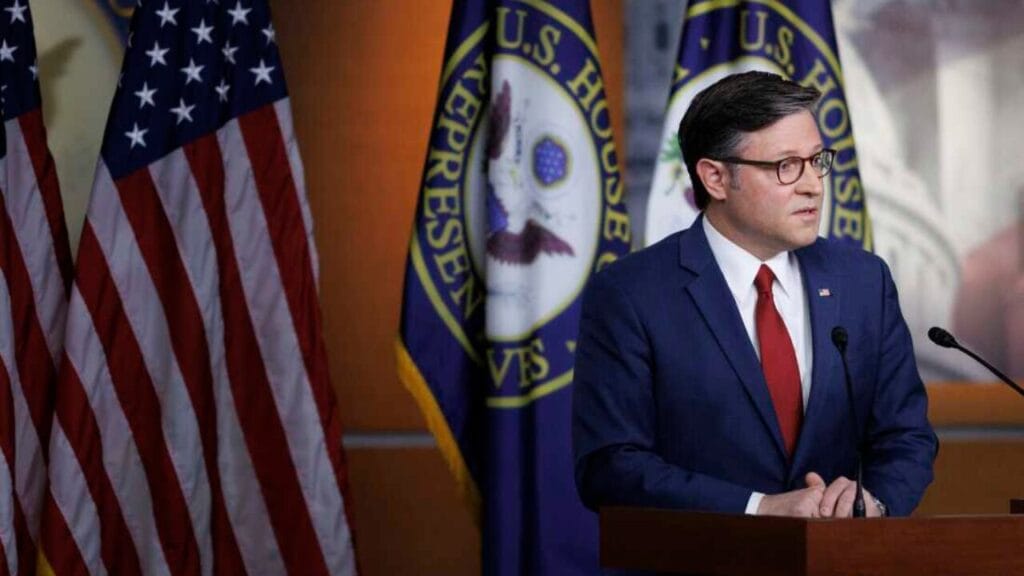
Senate leaders reached a bipartisan agreement to temporarily reopen the government, contingent on border security talks continuing in good faith. The House vote is expected to closely reflect divisions in Congress, with members weighing the urgent need for federal services against disputes over funding priorities. Speaker Mike Johnson indicated he would bring the bill to the floor as soon as signatures, including from key Democrats and Republicans, were secured.
Political and Public Reaction
Public frustration has grown during the shutdown, with polls showing broad support for reopening government swiftly—even if negotiations on security funding remain unresolved. Lawmakers from both parties expressed concern for federal workers, as well as repercussions for public health, safety, and the economy. President Trump’s insistence on border wall funding remains a sticking point, but the new bill seeks to separate emergency federal spending from security debates, at least temporarily.
As the House prepares to vote, America watches for a resolution to the shutdown’s hardships. The outcome will determine whether federal services resume and whether Congress can find a sustainable path forward amid persistent political divides.