
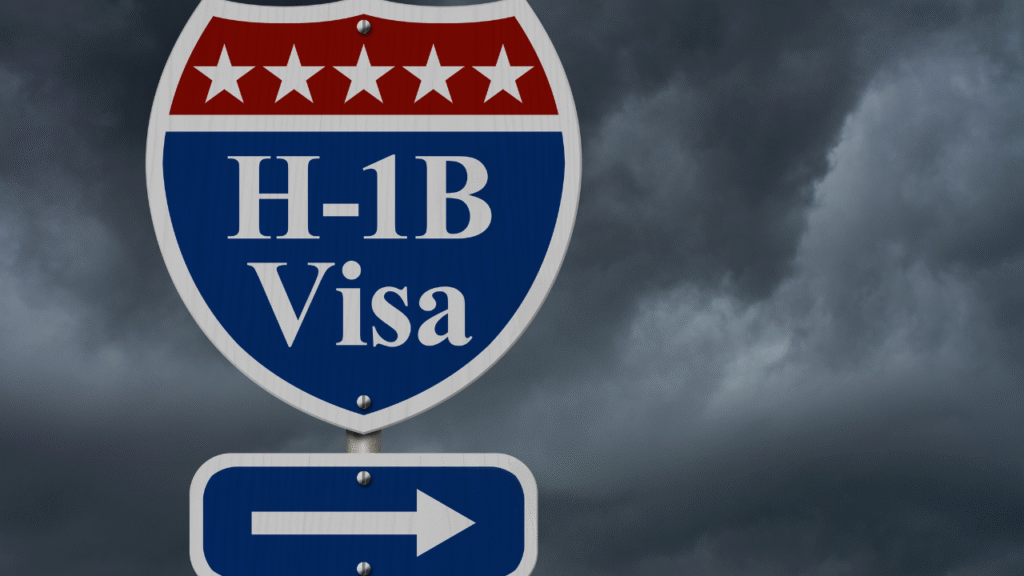
Trump administration rolls out tougher H-1B visa screening starting December 15, directing consular officers to scour applicants’ resumes, LinkedIn profiles, and social media for past roles in content moderation, fact-checking, or “censorship” activities. The policy, outlined in a December 2 cable to U.S. missions worldwide, mandates public social media settings and expanded background checks for H-1B workers and their H-4 dependents to protect free speech and national security.

New vetting targets tech roles
Officials must flag candidates with experience in disinformation, compliance, online safety, or related fields, particularly from tech giants and social media firms accused of suppressing conservative voices. The guidance emphasizes rejecting those involved in such work, affecting skilled professionals from India and China who fuel U.S. innovation in Silicon Valley and beyond.
Social media goes public
Applicants face mandatory online presence reviews, requiring all social profiles to switch to public visibility for consular scrutiny. This builds on existing checks for students but now hits H-1B families hardest, potentially delaying approvals and raising privacy concerns amid longer processing times.
Tech industry reaction
H-1B reliant companies worry about talent pipelines, though some executives who backed Trump may see alignment with free speech priorities. Immigration lawyers advise thorough profile cleanups and legal consultations, as 221(g) refusals could spike for incomplete vetting. The move signals a broader immigration pivot blending security, ideology, and program integrity.