

Efforts to end Russia’s devastating war against Ukraine gained new attention this weekend after U.S. Secretary of State Marco Rubio declared “substantial progress” in peace talks held in Geneva. As the latest round of negotiations concluded, U.S. officials voiced optimism that a workable agreement might finally be within reach. Yet doubts linger—particularly in Kyiv—about whether a deal, perceived as favoring Russian interests, can truly achieve lasting peace.

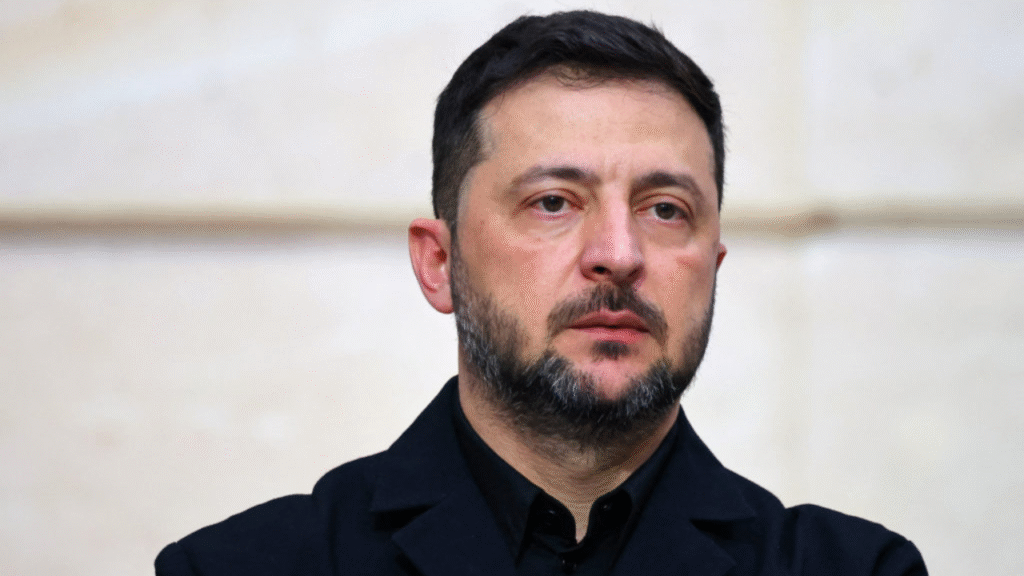
U.S. Pushes for Breakthrough in Geneva
Rubio, addressing reporters after a marathon day of closed-door meetings, described the talks as “probably the most productive and significant” to date. He praised both sides for their engagement and confirmed the 28-point U.S. peace proposal remains at the heart of discussions. Rubio refrained from sharing specifics, citing the ongoing and sensitive nature of negotiations, but he did insist, “The remaining issues are not beyond resolution,” adding that with more time, a breakthrough is possible.
European Influence and Remaining Hurdles
One of the most significant updates comes from German Foreign Minister Johann Wadephul, who announced that NATO and broader European issues have been removed from the U.S. proposal. “Any agreement must not be made without the involvement of Europeans and Ukrainians,” Wadephul emphasized, describing this as a win for European interests.
Despite this shift, the current version of the plan—which would require Ukraine to surrender territory in eastern regions and agree not to join NATO—faces heavy scrutiny from Ukrainian leaders and lawmakers. These are long-standing Russian demands and represent serious concessions that Ukrainian authorities have been reluctant to even consider.
Controversy and Political Fallout
The U.S. proposal has drawn bipartisan criticism at home, with fears that the terms would compromise Ukrainian sovereignty in exchange for a precarious ceasefire. Both Kyiv and critics in Washington highlight the risks of pressuring Ukraine into territorial concessions under duress. Publicly, Ukrainian officials have signaled a cautious willingness to keep talking, but emphasize that the country’s core security interests “must be respected fully in any final deal,” according to statements referenced by U.S. and European diplomats.
What’s Next?
The White House confirmed ongoing input from both Russian and Ukrainian negotiators, stating that the peace proposal is still evolving. U.S. officials say revisions and clarifications are ongoing to better reflect Ukraine’s national security interests and satisfy European partners. For now, diplomats on all sides signal that a comprehensive deal remains elusive, but the groundwork for eventual compromise may be emerging.
Stay tuned for further updates as the Geneva negotiations continue and the world watches for possible steps toward ending the conflict.