

Key Ruling Stops Nationwide Requirement
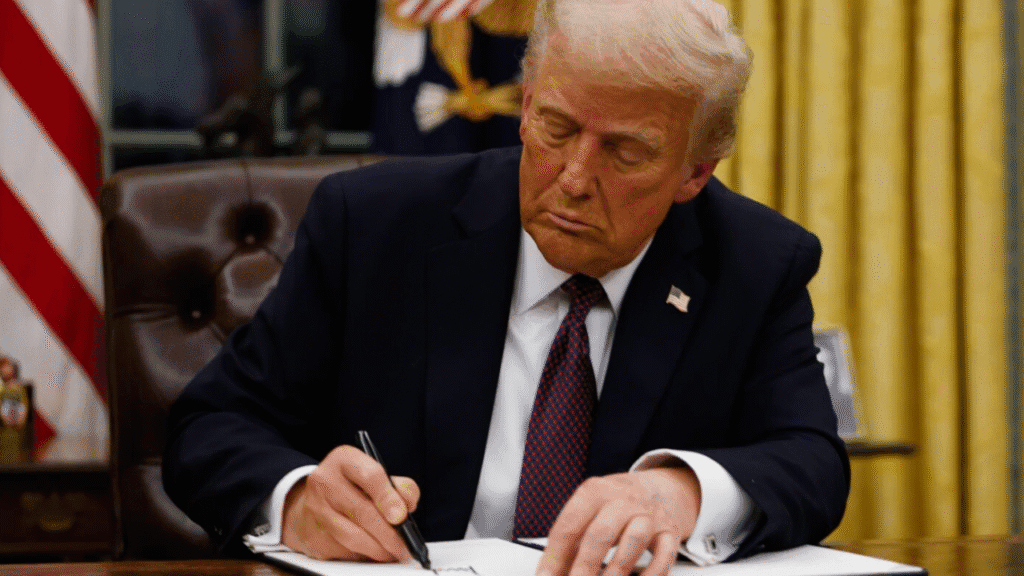
A federal judge in Washington, D.C., has permanently blocked the Trump administration’s attempt to require voters to submit documentary proof of citizenship when registering for federal elections. The executive order, signed by President Trump in March, called for changes to the national voter registration form, demanding passports or similar documents as proof. But multiple lawsuits led by civil rights groups, Democratic organizations, and advocates for voting access challenged the order, arguing it would disenfranchise eligible voters and overstep presidential authority.

Judge’s Decision: No Presidential Power Over Federal Voting Rules
Judge Colleen Kollar-Kotelly wrote in her decision that the US Constitution gives the power to oversee elections to the states and Congress, not the President. She emphasized that the proposed citizenship requirement was an “unconstitutional infringement on the separation of powers,” making clear that only Congress and state governments have control over setting federal registration qualifications. The ruling also permanently blocks the US Election Assistance Commission from enacting such changes.
Victory for Voting Rights Advocates
The ruling was celebrated by organizations like the ACLU and the League of Women Voters, who said it secures access for eligible voters and prevents unnecessary barriers. Sophia Lin Lakin of the ACLU described the decision as “a clear victory for our democracy,” ensuring Americans without passports or expensive documents will not be excluded from the ballot box. Plaintiffs claim the executive order was aimed at discouraging turnout and made baseless claims about non-citizen voting, which research shows is rare.
Ongoing Debate Over Election Security
While Trump and his allies continue to argue that stricter documentation is needed to prevent illegal voting, voting rights experts and legal authorities cite multiple studies that show non-citizen voting is extremely rare and already illegal. The decision marks another legal setback for Trump’s efforts to reshape federal election rules and highlights ongoing debates around access, accuracy, and security in American elections.