

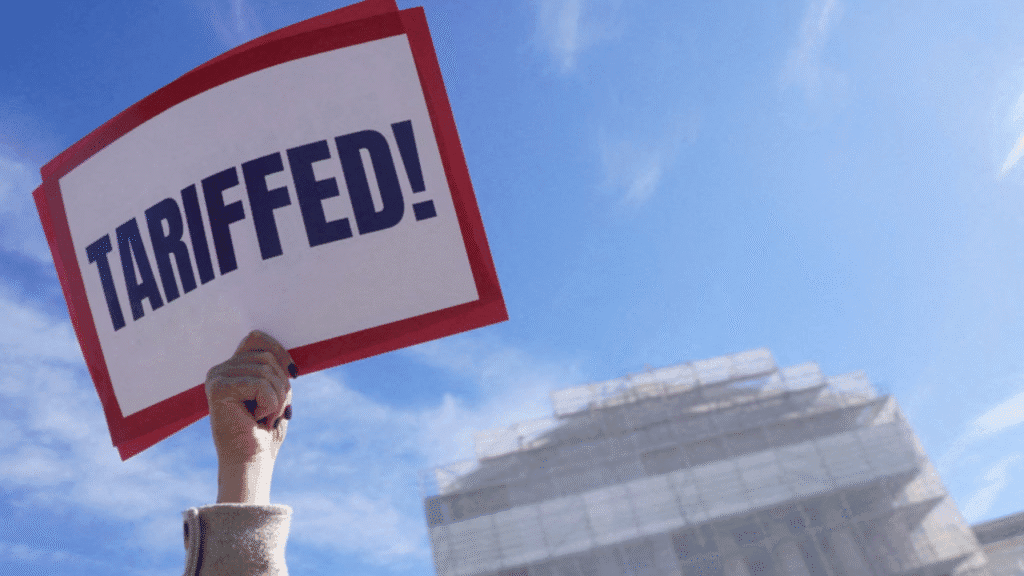
Former President Donald Trump’s claims about $2,000 “tariff rebate checks” for Americans are not supported by current law, analysis, or budget realities, according to a USA Today fact check and multiple economic experts. Trump recently revived the idea, which he calls a “tariff dividend,” on Truth Social and at rallies, promising direct payments to millions of low- and middle-income Americans funded by taxes on foreign imports.

No Checks Are Coming Soon
While Trump’s messaging has fueled widespread hope—and viral social media posts—there is no approved federal program, no legislation, and no IRS mechanism for sending these checks in 2025 or 2026. Experts point out that actual tariff revenues are roughly half of what would be needed for nationwide $2,000 rebates, and any such distribution would require Congressional approval, which has not occurred. False stimulus rumors and related scams have also surged, prompting warnings from the IRS and consumer watchdogs.
Fact-Checking “DOGE” and Rebate Claims
Some online posts reference “DOGE checks,” a separate policy idea for government efficiency savings, but there are no Doge rebates or direct-pay programs in operation. Budget analysts say both DOGE and tariff dividend proposals would impose massive costs and legal hurdles, and the Supreme Court is reviewing key parts of Trump’s tariff agenda.
What Americans Need to Know
Economic experts and fact-checkers caution that tariff revenues are paid by U.S. importers and often passed to consumers, meaning Americans see higher prices—not direct relief checks. Any real national rebate, they stress, would need a signed bill, an official IRS announcement, and Congressional appropriations; none of these steps has occurred so far. Americans should be aware of misinformation and protect themselves from scams using the “stimulus check” label in 2025.