

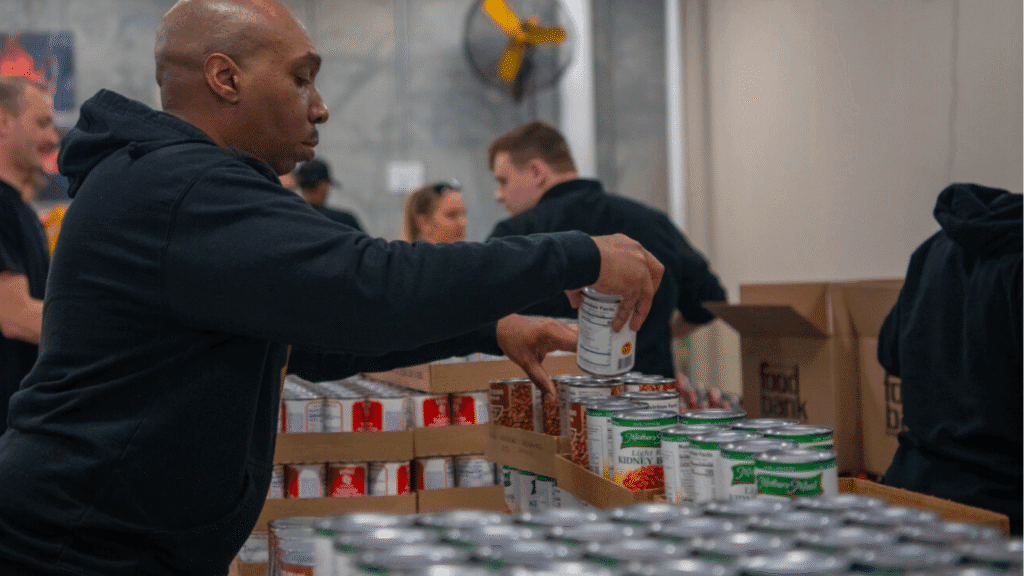
Washington, D.C. is experiencing new levels of hardship as the government shutdown stretches into its sixth week, triggering mass layoffs, slashing federal food aid, and sending demand at area food banks to unprecedented highs. The Capital Area Food Bank, which supports hundreds of pantries across the District, Virginia, and Maryland, is ramping up distribution by 8 million additional meals this year—a nearly 20% increase—as thousands of federal workers and low-income families face prolonged uncertainty.

Shutdown Fallout Hits Federal Workers, Families, Businesses
With roughly 150,000 federal employees calling Washington home, missing paychecks have caused a nearly 25% drop in weekday public transit usage, gutted revenue for local businesses, and left many workers relying on savings or seeking emergency food relief. The unemployment rate remains at 6%, one of the highest in the nation, while layoffs and reduced economic activity compound the difficulties faced by restaurants, retailers, and service providers who depend on federal spending.
Food banks are working overtime to meet rising demand. SNAP payments are partially funded—and for many, delayed or slashed—forcing more residents to rely on charitable pantries for basic sustenance. Leaders warn that the “rolling disaster” could overflow the social safety net and leave families unable to pay for food, rent, or other necessities.
Political, Economic, and Long-term Effects
Local leaders and policy advocates caution that the shutdown’s economic pain will extend long after the government eventually reopens. Democrats have made the economic crisis a central theme—most notably in the Virginia governor’s race, won by Abigail Spanberger after focusing on Trump’s economic impact on the region.
Business groups and food aid organizers are appealing for urgent bipartisan action, warning that continued inaction will permanently weaken D.C.’s economy and welfare infrastructure. For now, volunteers and nonprofits remain at the front lines, striving to feed a city caught in a historic fiscal deadlock.