

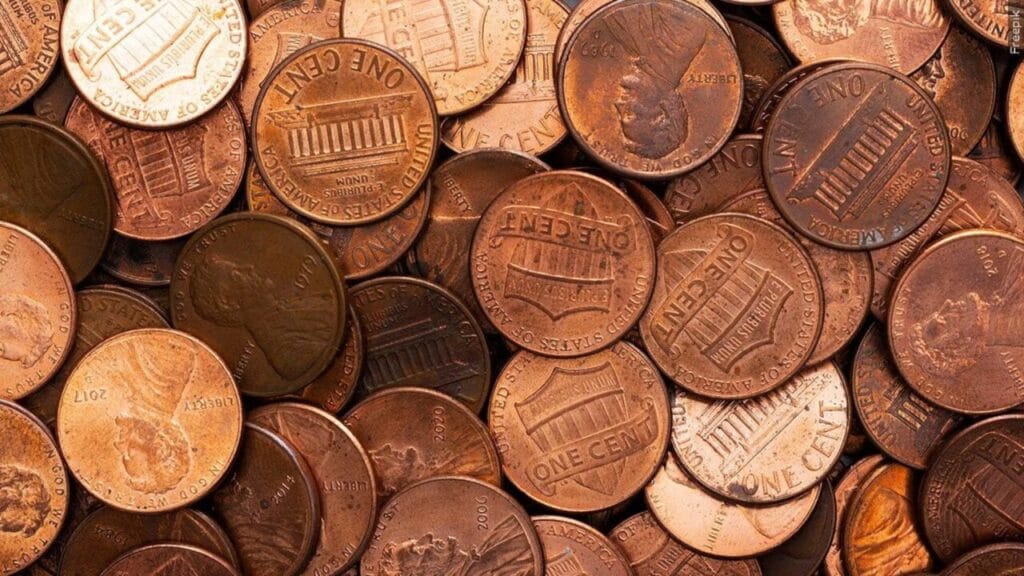
The United States Mint in Philadelphia struck America’s last circulating penny on November 12, marking the end of an era for the iconic one-cent coin after 238 years in U.S. currency history. This decision, ordered by President Donald Trump, comes as the cost of producing each penny neared four cents, outpacing its actual value and prompting widespread discussions about fiscal waste, retail rounding, and impacts on cash-based consumers.

Reasons for the Penny’s Retirement
The penny’s discontinuation comes after years of debate, with critics pointing to its high production costs, limited use, and relative impact on small transactions. Treasury officials noted that maintaining penny circulation supports lower-income Americans reliant on cash, but mounting production and distribution costs—especially in light of recent coin shortages—tipped the balance toward retiring the coin. With nearly 300 billion pennies already in circulation, change will remain available for years despite no new coins being minted.
Retail and Consumer Impact
Retailers across the country, especially convenience stores, have already begun rounding cash transactions to the nearest nickel amid penny shortages, creating minor price adjustments and concerns about consumer fairness. Some regions have offered incentives for customers to bring pennies from home, while others expect rounding to increase costs for shoppers over time. Industry experts urge federal guidance to standardize procedures and safeguard consumers as banks and businesses run out of pennies.
Historical Significance
The penny has served as a cornerstone of American currency since 1793, featuring President Abraham Lincoln since 1909. Its discontinuation marks the first time a staple coin has exited circulation in modern history, echoing the retirement of half-cent and three-cent coins in the 1800s. Collectors are expected to prize pennies minted in 2025 and 2026, anticipating their value to rise as circulation dwindles.
With its last batch struck in Philadelphia, the penny’s legacy endures even as the country turns to more efficient monetary systems. As the U.S. adapts to this change, attention shifts to the practical and emotional impact on consumers, retailers, and numismatic enthusiasts nationwide.