
Voters Face Crucial Decision on Future of State’s Highest Court
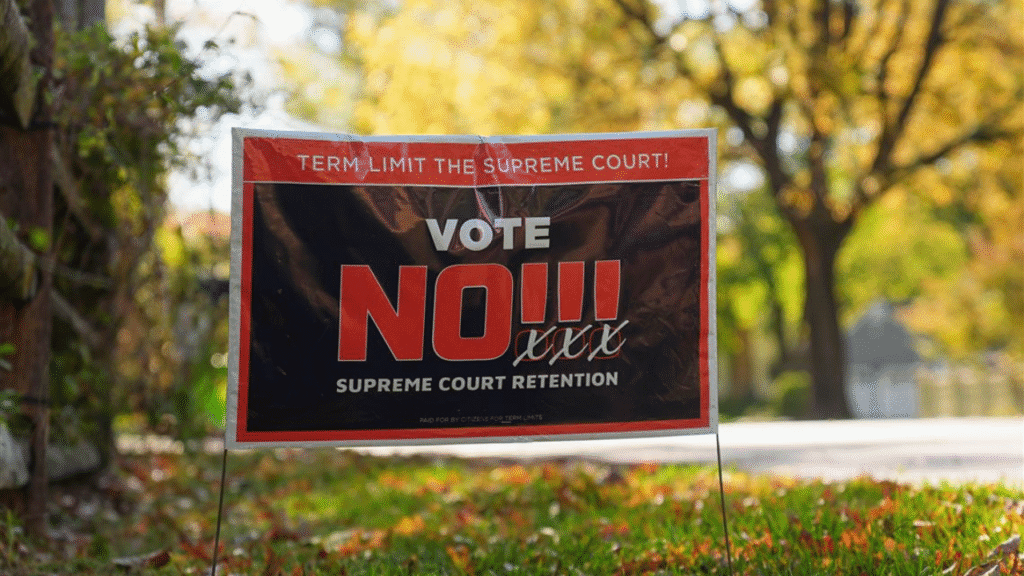
On November 4, Pennsylvania voters will decide whether three justices on the state’s Supreme Court will keep their seats for another decade—a process known as a retention election. The outcome carries significant implications, not just for the court itself but also for the state’s political landscape in the years to come.
What Is a Retention Election?
Unlike traditional judicial elections, retention votes are nonpartisan. Judges who have already served a ten-year term face a simple ballot question: Should this justice remain on the bench for another term? There are no parties listed, and no opposing candidates vying for the seat—just a “yes” or “no” choice for each justice. If voters say yes, the justice serves another term. If not, the governor appoints a temporary replacement with Senate approval, and a full election for the seat is held in two years.
Who Is on the Ballot?
This year’s ballot features three justices first elected as Democrats in 2015: Christine Donohue, Kevin Dougherty, and David Wecht. Their party has maintained a 5-2 majority since their initial election, shaping major legal decisions in Pennsylvania over the past decade. Now, all three face retention votes, and political parties are investing heavily in the outcome.
Why Is This Race Drawing So Much Attention?
Historically, retention elections in Pennsylvania have rarely resulted in a justice losing their seat—only one has failed since the process began in 1968. However, with three seats up at once and the potential to shift the ideological balance of the court, outside groups have spent more than $9 million on the race this year. Both parties see an opportunity: Republicans hope that “no” votes could trigger new elections—and possibly a court shakeup before the next presidential cycle.
What Happens If a Justice Is Not Retained?
If a justice loses their retention vote, Governor Josh Shapiro will nominate a temporary replacement, who must be approved by a two-thirds majority of the Republican-controlled state Senate. That interim justice would serve until a full election is held in 2027. If the Senate blocks the governor’s nominee and multiple seats become vacant, the court could be left with an even split—potentially undermining its effectiveness ahead of major legal battles in Pennsylvania.
What Are Voters Considering?
Supporters of the justices point to their experience and fairness, and groups like the Pennsylvania Bar Association have recommended all three for retention. Critics, mostly from the opposing party, argue that the current court has favored Democratic policy outcomes on key issues, especially regarding elections and redistricting.
Polls Are Open
Polling places opened at 7 a.m. and will close at 8 p.m. as voters across Pennsylvania weigh in on the future of their Supreme Court. The results from this quiet but closely watched race could reshape the court for years and influence the state’s politics for the next decade.