
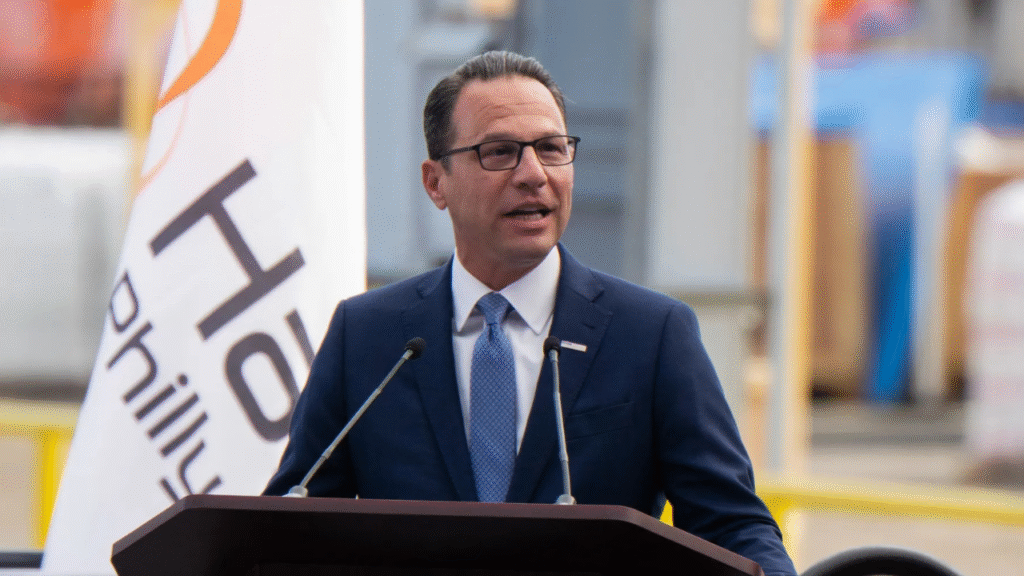
Pennsylvania has officially withdrawn from the Regional Greenhouse Gas Initiative (RGGI), leaving the state without any major climate policy and raising concerns among environmental advocates. Governor Josh Shapiro signed the measure into law as part of the agreement to finally pass the state’s overdue budget, making Pennsylvania the first state to enter and then exit the multi-state cap-and-trade program.
RGGI Exit: Politics and Priorities
The decision to leave RGGI was bundled with other critical funding measures in a $50.1 billion budget, making it almost impossible for lawmakers to oppose the climate rollback without jeopardizing key resources for schools and transportation. Supporters of the move argue it will keep electricity costs in check and help attract new energy-intensive businesses, while critics describe it as a major setback for efforts to cut greenhouse gas emissions in one of the nation’s largest polluting states.
Environmental Impact and Backlash
Before withdrawal, RGGI was projected to help Pennsylvania slash power-sector emissions by up to 84 percent by 2030 and raise over $100 million annually for clean energy investments. Advocacy groups condemned the vote, warning that Pennsylvania is now “robbed of more than $1 billion annually to lower electricity prices through investments in clean energy.” Instead, Governor Shapiro is now promoting his “Lightning Plan” — a local energy package aimed at curbing costs and supporting renewable projects, but it faces steep political obstacles.
Pennsylvania at a Crossroads
Pennsylvania’s exit from RGGI marks one of the most significant climate policy reversals in its history. As state leaders turn to budgetary pragmatism, the future of environmental protections in the Commonwealth hangs in the balance, with clean energy advocates urging renewed efforts to fill the policy gap left by RGGI’s departure.