

Landmark BIA Ruling on Asylum Transfers
The Board of Immigration Appeals (BIA) has issued a precedent-setting decision clarifying how immigration judges should apply the United States’ Safe Third Country Agreement (STCA) with Honduras. This ruling enables the Department of Homeland Security (DHS) to remove certain asylum seekers to Honduras if they are deemed covered by the agreement, even if they initially sought protection in the United States.

Case Background and Legal Reasoning
The decision came in the Matter of C-I-G-M- & L-V-S-G-, involving asylum seekers from Guatemala. DHS argued these individuals should be denied asylum and removed to Honduras because of the bilateral agreement between the U.S. and Honduras. The immigration judge had previously denied DHS’s request, accepting claims that the applicants feared violence and persecution in Honduras, citing generalized evidence of dangerous conditions there.
However, the BIA reversed the judge’s decision, ruling that fears of hardship in Honduras must be substantiated by specific evidence of personal risk, not just country reports. According to the BIA, the safe third country bar can be enforced if the respondent does not clearly demonstrate why the agreement should not apply to them.
Changes for Asylum Seekers
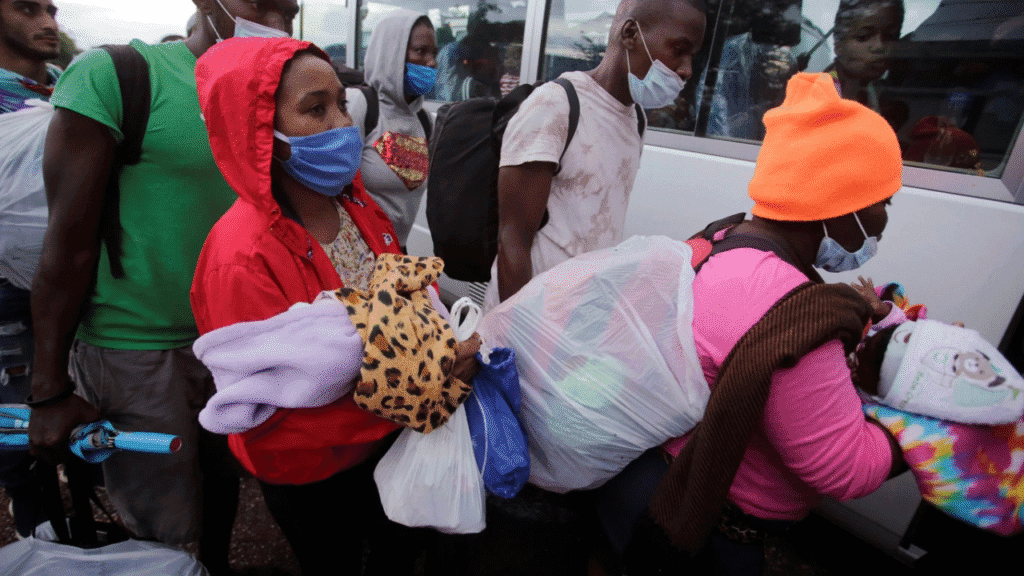
This ruling significantly shapes the path forward for Central American asylum seekers arriving at the U.S. border. Under the BIA decision, when DHS identifies a person as subject to a Safe Third Country Agreement, applicants must provide strong, individualized evidence that returning to Honduras would mean persecution or torture—for reasons beyond what is generally known about country conditions. Otherwise, immigration judges are instructed to order their removal for their asylum and protection claims to be heard in Honduras.
Legal and Community Response
The decision is drawing close scrutiny from immigration advocates and legal analysts. Critics warn that Honduras still faces serious challenges in protecting refugees, but supporters argue this framework brings greater consistency and clarity to U.S. asylum law application. Litigation is ongoing regarding both the implementation and fairness of such agreements.