

Congress remains deeply divided over healthcare policy as a historic government shutdown continues, with Democrats and Republicans locked in a bitter struggle over the future of Affordable Care Act subsidies and Medicaid funding. The impasse threatens higher premiums and reduced coverage for millions of Americans at a critical open enrollment moment.

Subsidy Extensions at the Center
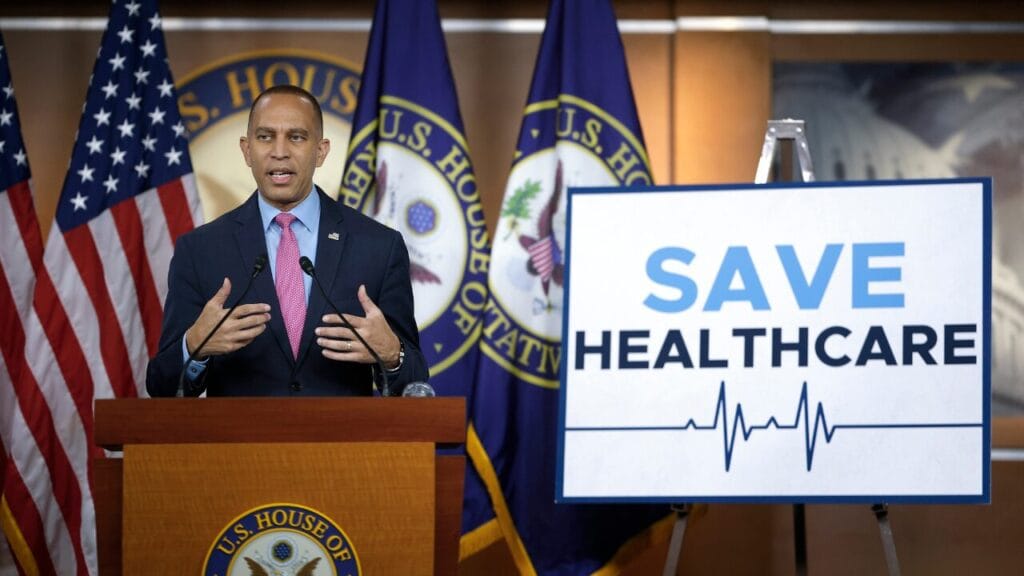
A major flashpoint is the future of subsidy expansions that helped millions of Americans afford health insurance through the ACA. Democrats demand these enhanced tax credits remain part of any deal to reopen the government, insisting that without action, families will face unaffordable premium hikes and a rising uninsured rate. House Minority Leader Hakeem Jeffries has warned that the refusal to extend credits could drive Americans into medical bankruptcy, citing widespread alarm among constituents.
Republican Arguments and Budget Goals
Republicans counter that the pandemic-era subsidies are too costly to sustain, seeing them as contributors to fraud, increased healthcare prices, and needless government spending. Many in the GOP seek to reduce federal involvement by downsizing Medicaid and targeting what they call waste in the system. While some lawmakers are open to negotiations, most insist those can only happen after the government is reopened, prioritizing fiscal discipline over immediate health reforms.
Impact on Americans
Millions of Americans are anxiously awaiting clarity as open enrollment begins. Many are receiving notifications about significant premium hikes, and the uncertainty is putting pressure on Congress to act swiftly. Some bipartisan efforts have emerged to temporarily extend subsidies with strict income caps and fraud safeguards, but gridlock remains the norm and no clear solution is in place.
Political Pressures and Outlook
Recent polls and election results show strong public support for immediate healthcare action, but partisan divides run deep. The shutdown—the longest on record—has left hundreds of thousands of federal workers furloughed, and its resolution now hinges almost entirely on healthcare. The debate reflects broader tensions about the role of government in Americans’ well-being and the search for fiscal responsibility.
With pressure mounting, the fight over healthcare highlights the challenges of bipartisan policy making in today’s Congress. Americans must watch closely as lawmakers grapple with decisions that could affect access and affordability for years to come.