

A major controversy has erupted within conservative circles after Tucker Carlson, former Fox News host, interviewed Nick Fuentes—a far-right activist widely denounced for promoting white nationalist and antisemitic views. The interview not only led to significant backlash from both Republican politicians and conservative organizations but also triggered resignations and sparked intense internal debate over hate speech and where the movement draws its lines.

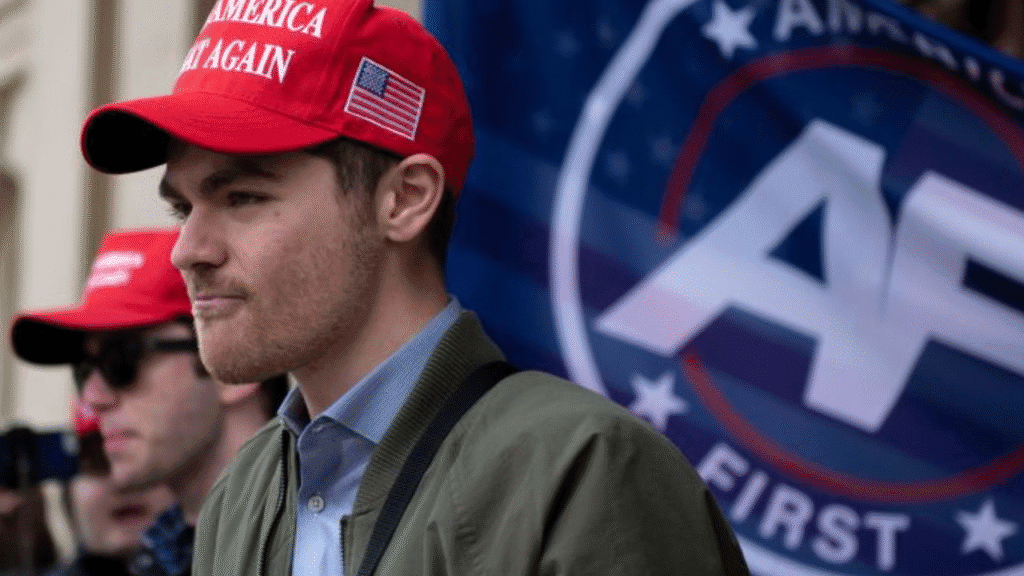
Interview and Its Fallout
During the widely watched interview, Carlson faced criticism for giving Fuentes a platform and for not challenging his guest’s extreme statements, which included open praise for Adolf Hitler, derogatory remarks about Jewish Americans, and claims that “organized Jewry” represented a threat to national unity. Public figures and pundits—including Senators Ted Cruz and Mitch McConnell—issued strong repudiations, calling Carlson’s actions cowardly and dangerous.
Carlson, in response to mounting criticism, defended his approach and expressed no regret, stating, “I don’t need to prove my goodness to you… If you disagree, don’t watch”. His stance has only deepened divisions within the conservative movement, leading many to question the boundaries for acceptable discourse in right-wing media.
Fallout at the Heritage Foundation
The controversy spilled over to the respected Heritage Foundation after its president, Kevin Roberts, initially defended Carlson’s right to host the interview in a video message. This stance led to resignations among members of Heritage’s antisemitism task force, with staffers condemning the decision as a betrayal of the think tank’s values. Roberts later issued an apology and distanced the organization from Fuentes’ ideology but the incident has left lasting scars and underlined the challenges facing conservative institutions as they grapple with issues of hate speech and extremism within their ranks.
GOP’s Internal Reckoning
The Fuentes interview has forced an identity crisis within the Republican Party and the American conservative movement more broadly. Supporters of stricter boundaries on hate speech see Carlson’s platforming of Fuentes as a red line, while others warn against what they see as “cancel culture” targeting prominent conservative voices. The episode has reopened broader conversations about antisemitism, white supremacy, and the responsibilities of media figures in today’s polarized political climate.
Looking Ahead
As the controversy continues, conservative organizations and pundits are reassessing their policies on engagement with extremist views. Many observers believe these public reckonings will shape the future of the movement and could redefine the standards of civil discourse in the media.
For now, the events sparked by Tucker Carlson’s interview with Nick Fuentes stand as a stark reminder of the enduring, and at times explosive, tensions over hate speech and free expression in American politics.