
President Donald Trump has intensified political tensions after accusing six Democratic lawmakers of “seditious behavior”—and suggesting that their actions could be “punishable by death”—following their release of a video urging U.S. military members to refuse unlawful orders. The video, shared by Senators Elissa Slotkin and Mark Kelly along with Representatives Jason Crow, Maggie Goodlander, Chris Deluzio, and Chrissy Houlahan, advised troops to uphold the law and back the Constitution above any directive that violates it.
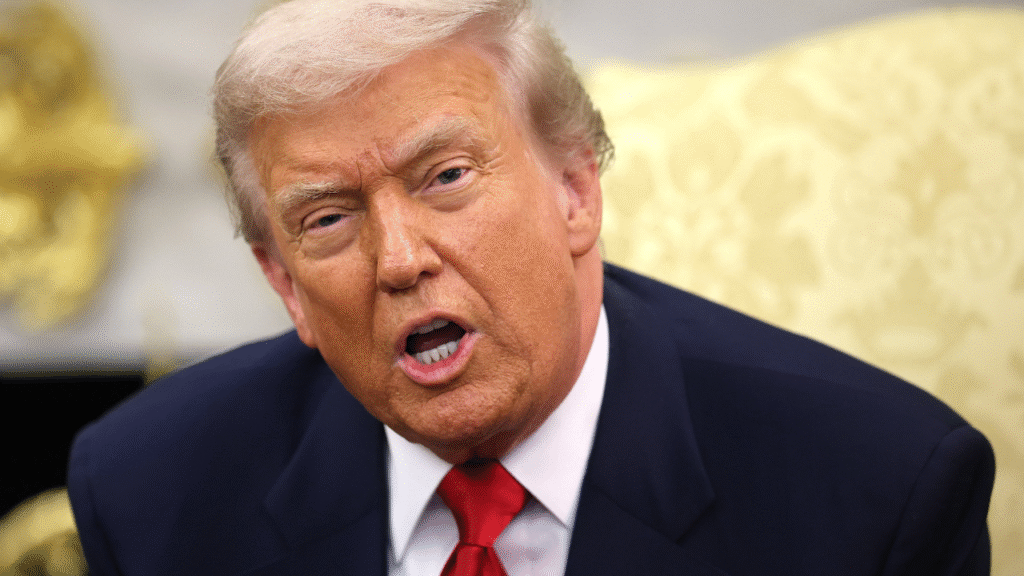
Trump’s Reaction and Political Fallout
Trump’s response on Truth Social and in media appearances sparked immediate backlash. He reposted messages suggesting execution and characterized the lawmakers’ actions as sedition at the “highest level.” Democrats, including House Minority Leader Hakeem Jeffries and Senate Minority Leader Chuck Schumer, condemned the remarks as dangerous incitements to violence. Capitol Police reportedly increased security for the lawmakers, and several filed complaints over threats and bomb scares following Trump’s posts.
Debate Over Military Conduct and Patriotism
Republican leaders like Speaker Mike Johnson defended Trump, stating that he was simply defining sedition, while some GOP senators criticized the president for inflaming the situation. The White House clarified that Trump was not literally threatening lawmakers but was responding to their public message to military personnel. The Democrats involved stressed their right and duty to remind service members to obey only lawful orders, arguing that Trump’s stance was an attack on constitutional principles, not just partisan politics.
Broader Consequences
The episode highlights deep divisions over civil-military relations, the limits of dissent, and the language of political conflict in an election season. Both parties face pressure to de-escalate and protect the safety of officials as the debate over patriotism, legality, and personal security plays out in the halls of Congress and across national media.