

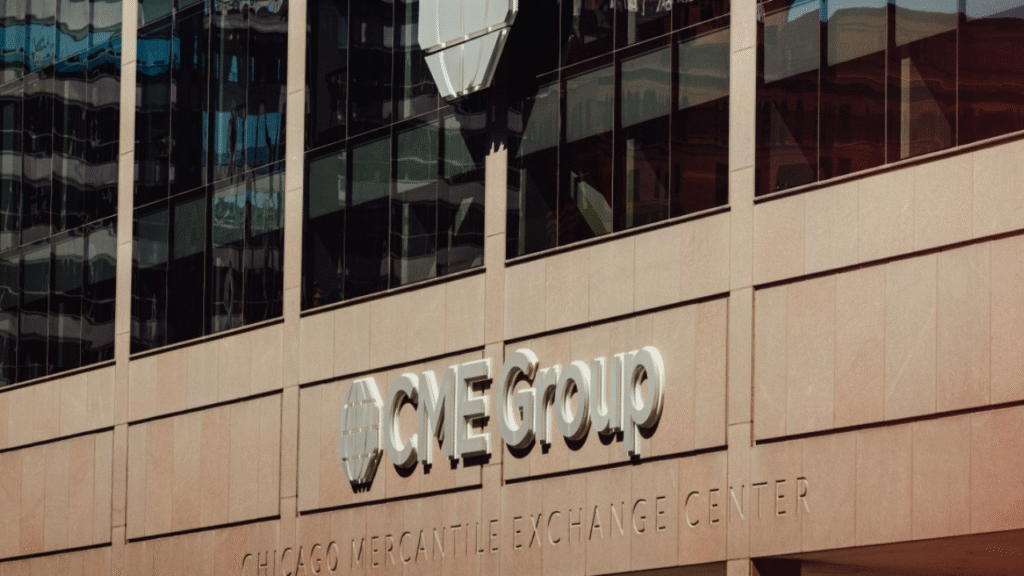
A major technical outage at CME Group
halted trading in key U.S. futures and options markets for hours on Friday, briefly disrupting price discovery across everything from stock indexes and Treasurys to oil and foreign exchange before activity was gradually restored. The interruption, triggered by a cooling-system failure at a CyrusOne data center in the Chicago area, has raised fresh questions about how resilient modern markets are when so much trading depends on a handful of critical technology hubs.

What happened to CME’s markets
CME Group said it halted all Globex futures and options trading overnight after a “cooling issue” at its third-party data center forced systems offline, freezing live quotes in contracts tied to the S&P 500, U.S. 10-year Treasurys, West Texas Intermediate crude and other major benchmarks. The stoppage, which also affected its EBS foreign-exchange platform and some fixed-income markets, was one of the longest outages the exchange operator has experienced in years.
By early U.S. morning, the exchange began bringing systems back online, with FX platforms among the first to reopen around 7 a.m. ET and equity index futures resuming shortly before the regular stock market open. CME later confirmed that “all CME Group markets are open and trading” once cooling capacity had been stabilized and servers safely rebooted.
Impact on traders and global markets
Because the outage hit during a post-Thanksgiving half-day session, when volumes are typically thin and many traders are off their desks, some market participants described the timing as “lucky” compared with a normal, high-volume weekday. Even so, the halt temporarily froze reference prices that are widely used for hedging and valuation, forcing some firms to pause trades or rely on less liquid alternatives.
Currency markets were less rattled, with analysts noting that other FX venues remained open and that most month-end positioning had been completed before the U.S. holiday. Still, traders in Asia and Europe felt the disruption more acutely, since the shutdown overlapped with their active hours and limited access to dollar rates and U.S. asset hedges.
Data centers as financial infrastructure
The incident has sharpened focus on how much global finance depends on a small number of commercial data centers, which have become as essential to market plumbing as trading floors once were. A single failure in cooling equipment at the CyrusOne CHI1 facility cascaded into a multi-asset trading halt, underscoring that even well-established infrastructure is not immune to technical breakdowns and capacity limits.
Market strategists say they expect exchanges and their vendors to reevaluate redundancy, backup sites, and failover procedures in light of the outage, especially as algorithmic and AI-driven trading increases overall system load. Regulators in the U.S. and Europe are already pushing for tougher “operational resilience” standards, including stress tests and contingency planning for critical market infrastructure.
What comes next for investors and regulators
For most investors, the immediate damage from the CME disruption appears limited, with trading now back to normal and no signs of lasting price distortions in major contracts. But the episode is likely to feature in upcoming regulatory discussions and hearings about market stability, cyber and operational risk, and whether more diversification is needed in how and where core trading systems are hosted.
Analysts say the outage is a reminder that even the largest exchanges and clearinghouses must continually invest in hardware, cooling, and network resilience to keep pace with rising electronic volumes. For traders, it also highlights the importance of having contingency plans—such as access to alternative venues or over-the-counter hedges—when a single point of failure can suddenly turn the world’s busiest derivatives markets dark.