

With the federal government shutdown dragging into its sixth week, President Donald Trump has pushed Senate Republicans to revamp Affordable Care Act (ACA) subsidy distribution—proposing that hundreds of billions previously routed through insurance companies be paid directly to Americans instead. This approach, Trump claims, would empower people to purchase their own health plans at lower costs, but the proposal has deepened partisan gridlock and put health coverage for over 24 million Americans at risk.

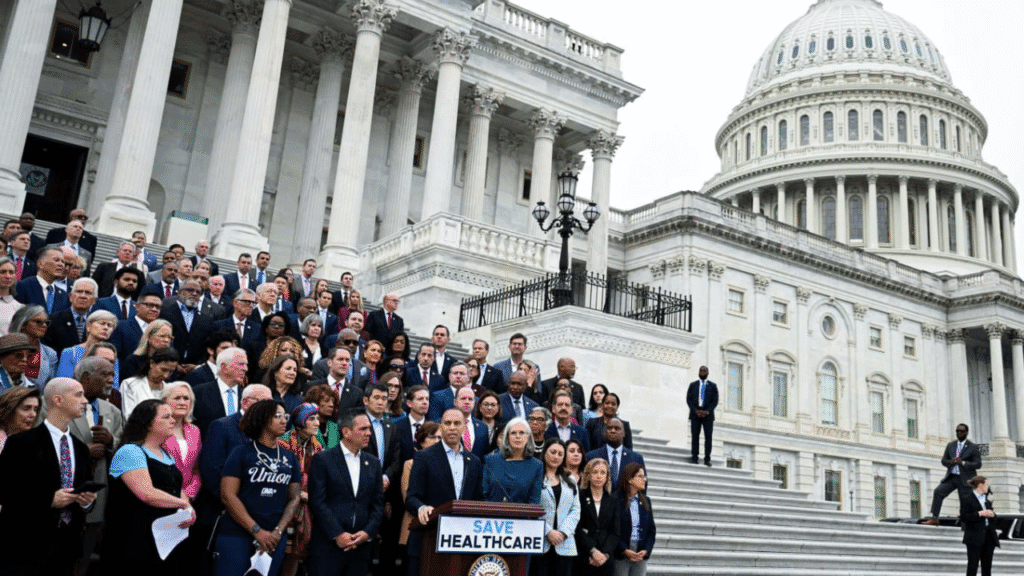
Trump’s Push to Change Obamacare Subsidies
Trump’s demand marks a significant shift from the ACA’s system, which subsidizes premiums by paying insurers. He insists that sending the money directly to the people would create more choice and allow individuals to shop for better deals, all while ending what he calls the “enrichment” of insurance companies. Many Republicans in Congress have echoed his call, although no official bill language has been released and details of the plan remain scarce.
The plan arrives as families prepare for major sticker shock. Unless Congress acts, pandemic-era enhancements to ACA subsidies will expire at year’s end, leaving millions facing sharp premium hikes—or, for some, the possible loss of coverage altogether.
The Impact on Americans and the Political Stalemate
Democrats insist that subsidies must continue in their current form to reopen the government; they argue cuts would devastate working families, older adults, and those with chronic illnesses who rely on affordable insurance. Without Congressional action, premiums could jump by an average of 26% next year, and an estimated 4.2 million Americans could lose their insurance.
Meanwhile, Republicans argue that the current model inflates costs and stifles choice, pushing instead for “personalized” health savings vehicles. Speaker Mike Johnson has declined to support a long-term extension of enhanced subsidies, maintaining the position that funding for insurance companies should be cut or redirected.
Outlook for the Affordable Care Act
With both parties entrenched, the shutdown shows no sign of ending soon—and ACA subsidy funding remains at its core. Consumers, especially those without employer-sponsored plans or with incomes just above Medicaid thresholds, face mounting anxiety as Congress weighs whether to let ACA tax credits lapse or to find an emergency compromise.
The weeks ahead will be critical for the future of affordable health insurance for millions of Americans and for the balance of health care policy in the United States.