
The USS Gerald R Ford, the largest aircraft carrier in the world, recently arrived in the Caribbean as part of an aggressive escalation in the Trump administration’s campaign against drug trafficking. This significant military move signals an increased U.S. commitment, deploying advanced equipment and thousands of personnel to disrupt narcotics operations in the region.
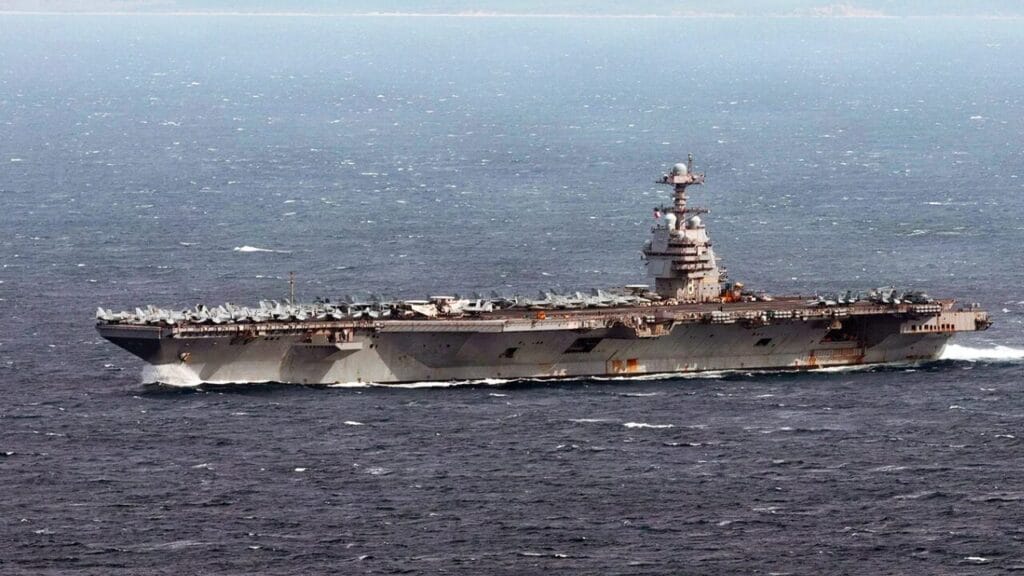
USS Gerald R Ford Deployment
Announced in late October, the USS Gerald R Ford’s strike group sailed from Croatia in early November and has now entered the U.S. Southern Command’s jurisdiction. The carrier group joins eight other Navy vessels already stationed in the area, bringing the total American naval presence to unprecedented strength. On board the Ford are 60 aircraft and approximately 4,000 sailors, while an additional 6,000 service members are spread throughout the accompanying ships. Additional military assets in the region include a submarine, reconnaissance aircraft, 10 F-35 fighters, and Reaper drones.
Mission Against Narcotics Trafficking
The Pentagon has described the deployment as a decisive move to “disrupt narcotics trafficking and degrade and dismantle Transnational Criminal Organizations.” Admiral Alvin Holsey of Southern Command reaffirmed the commitment to combating threats that destabilize the region, highlighting the strategic significance of the operation.
Legal and Human Rights Concerns
Critics from both inside and outside the U.S. have raised serious concerns about the campaign’s legality and impact. Recent operations have seen the U.S. military open fire on suspected smuggling boats, resulting in at least 75 fatalities since September. Human rights organizations and legal experts warn that these actions could be illegal under international law, and both the governments of Venezuela and Colombia have accused the U.S. of extrajudicial killings. The U.K. has even ended intelligence sharing with the U.S. in the region over concerns about these tactics.
Political Reactions and Questions
The Trump administration insists that the nation is in an “armed conflict” with drug cartels, drawing on legal precedent from the post-9/11 “War on Terror.” Congressional lawmakers from both parties continue to seek clarification about the scope, legality, and outcomes of these operations. The administration also accuses Venezuela’s President Nicolas Maduro of aiding drug traffickers, although critics argue most illegal drugs entering the United States come across land routes through Mexico or the Pacific, not the Caribbean.
The USS Gerald R Ford’s arrival marks a dramatic chapter in America’s fight against drug cartels, with a massive show of force in the Caribbean drawing both praise for tough action and concern for potential overreach. The operation’s real-world impact—and its legal standing—remain at the center of ongoing national debate.