
A special tribunal in Bangladesh sentenced former Prime Minister Sheikh Hasina to death on Monday for crimes against humanity, concluding a months-long trial centered on last year’s deadly crackdown against student-led protests. The 78-year-old ousted leader, currently living in exile in India, was tried in absentia and convicted of ordering mass killings during the uprising that ended her 15-year rule in August 2024.
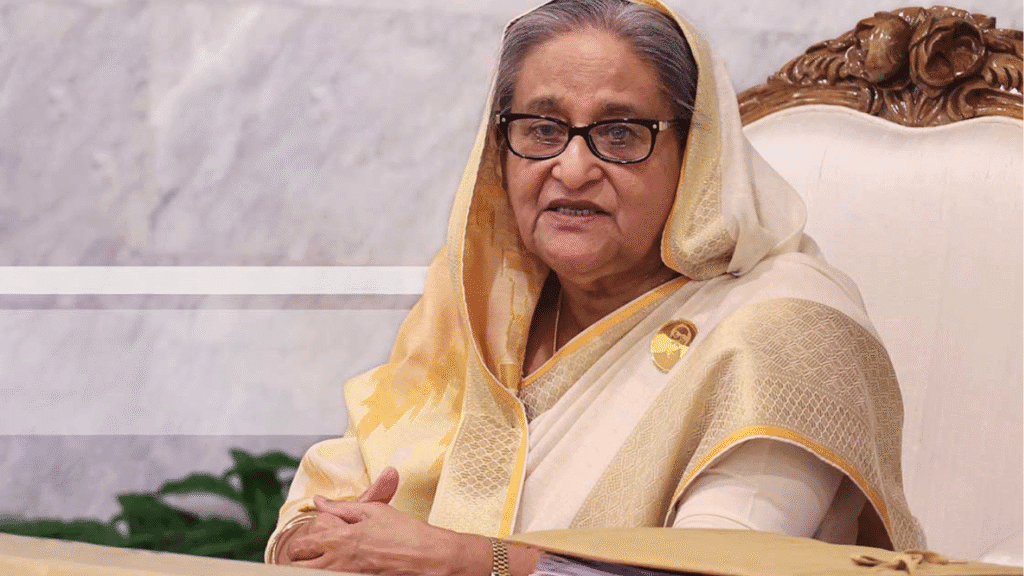
Death Sentence for Deadly Crackdown
The International Crimes Tribunal found Hasina guilty on five charges, including ordering the use of lethal weapons, helicopters, and drones to suppress protesters, as well as specifically directing the killings of named students and unarmed demonstrators. Prosecutors presented evidence—including phone call recordings—alleging that Hasina issued “open orders” to security forces to use deadly force. The United Nations estimated up to 1,400 people died in the violence, though Bangladesh’s interim government reports more than 800 confirmed deaths and 14,000 injuries.
Tried in Absence, Verdict Sparks Fresh Violence
Hasina rejected court summons and denounced the tribunal as a “kangaroo court” and “jurisprudential joke.” Her former home minister, Asaduzzaman Khan Kamal, also received a death sentence in absentia, while the former police chief became a state witness and received leniency. Lawyers and supporters erupted in celebration inside the courtroom, while sporadic violence—including crude bomb attacks—broke out across Dhaka. Security forces, including the military, were deployed around government buildings and the tribunal.
India Extradition Request and Political Fallout
Bangladesh has formally requested that India extradite Hasina, though experts believe New Delhi is unlikely to comply. Hasina released an audio message ahead of the verdict, saying she didn’t care about the sentence and vowing to “still serve my people.” Her son warned that the ruling was politically motivated, while the interim government led by Nobel laureate Muhammad Yunus insists the trial is essential for restoring accountability and public trust ahead of elections expected in February 2026.