
Former President Donald Trump is calling for the arrest—and even execution—of six Democratic lawmakers who posted a video urging military and intelligence officials to refuse unlawful orders, igniting a fierce national debate over sedition, free speech, and civilian-military relations. The video, posted by Democratic Senators and Representatives who have served in the military or national security, reminded troops and intelligence personnel that the law requires them to refuse illegal orders, declaring: “You must refuse illegal orders. No one has to carry out orders that violate the law or our Constitution”.
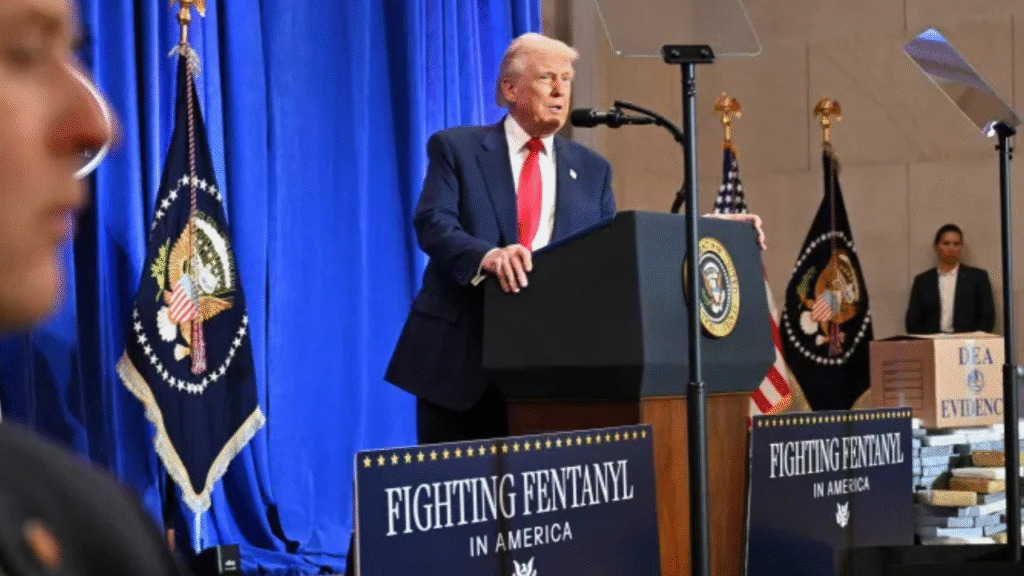
Trump’s Reaction and Broader Fallout
Trump labeled the Democrats “seditious,” reposting calls on Truth Social for the lawmakers to be “arrested,” “put on trial,” and even “hanged”—invoking George Washington as would-be precedent. In a series of social media posts, he insisted their actions represented “sedition at the highest level” and said, “SEDITIOUS BEHAVIOR, punishable by DEATH!”. Trump’s outburst followed his deployment of National Guard troops to several U.S. cities, a move that critics argue is a federal overreach, with Democrats and legal observers warning about threats to constitutional norms.
The Democrats’ Appeal
The lawmakers involved—Sen. Elissa Slotkin, Sen. Mark Kelly, Rep. Jason Crow, Rep. Chrissy Houlahan, Rep. Maggie Goodlander, and Rep. Chris Deluzio—argued in their video that the current political climate places “enormous stress” on military and intelligence professionals and puts American democracy at risk. Their message was clear: “Stand up for our laws, our Constitution, and who we are as Americans. Don’t give up the ship.”
Context and Constitutional Stakes
The episode amplifies tensions as the 2026 election season approaches, with parties divided not just over policy but the very boundaries of lawful dissent and patriotic duty. Trump’s comments, echoing calls for severe punishment, have been denounced by many as an attack on democratic values, while supporters frame them as a defense against perceived insurrection. The country now confronts renewed questions about the military’s role in upholding the law—and the risks when political leaders call dissent treason.