
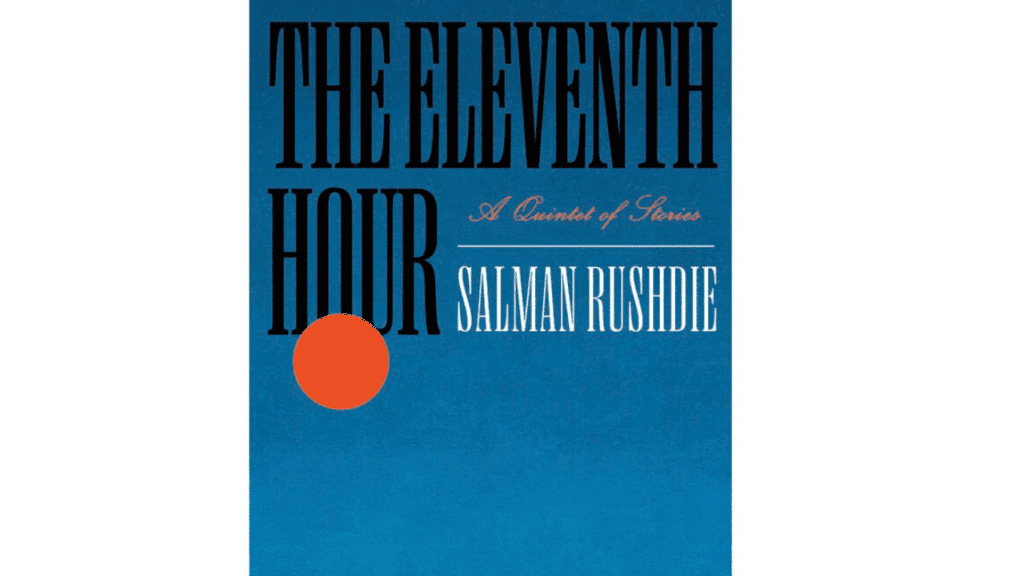
Salman Rushdie returned to Manhattan’s McNally Johnson bookstore this week to discuss his new book, “The Eleventh Hour,” his first work of fiction since surviving a near-fatal stabbing in 2022. Rushdie’s candor about living with the aftermath of violence, rediscovering daily life, and championing free speech has marked a poignant chapter for the acclaimed author.
A Life Transformed by Violence
Salman Rushdie’s writing and public life have changed since the attack in Chautauqua, New York, when he was targeted for his defense of writers and free expression. He lost sight in his right eye and suffered lasting injuries, yet describes his survival as “a miracle.” Adaptations—like reading on an iPad instead of print—now feature in his routine. Rushdie credits an optimistic outlook and therapy for managing trauma, joking that his therapist called him “a bad-ass” for his resilience.
“The Eleventh Hour” and the Passage of Time
Salman Rushdie, now 78, chose “The Eleventh Hour” as his title to reflect on themes of mortality, nostalgia, and running out of time. Many of the new stories evoke his childhood in Mumbai, with an elegiac tone about places and people lost to history. He sees his life through the lens of an immigrant, poignantly recalling his feelings of belonging when he became a U.S. citizen.
Why Words—and Free Speech—Still Matter
Salman Rushdie remains passionate about free speech, a cause that nearly cost him his life after the 1989 fatwa over “The Satanic Verses.” His latest collection explores the fragility of language and its power to shape society, warning: “Words such as good and bad or right and wrong are losing their effect, emptying of meaning, and failing anymore to shape society.” His book’s final story features language itself as a character, drawing stark allegories about the risk of losing the ability to speak and be heard if society ceases to value open dialogue.
An Enduring Advocate
Through interviews, Rushdie reminds readers that America—like every nation—has its “better self” and “less-good self,” and calls for remembering what makes democratic societies vital and resilient. He continues to advocate for writers, for truth, and for speech in a time of challenge and change, urging audiences to engage deeply with language and the world.