
New York City’s 2025 mayoral race has become one of the most dynamic and consequential in years, highlighting major shifts in voter sentiment and policy priorities as Election Day approaches.
The Candidates and Campaign
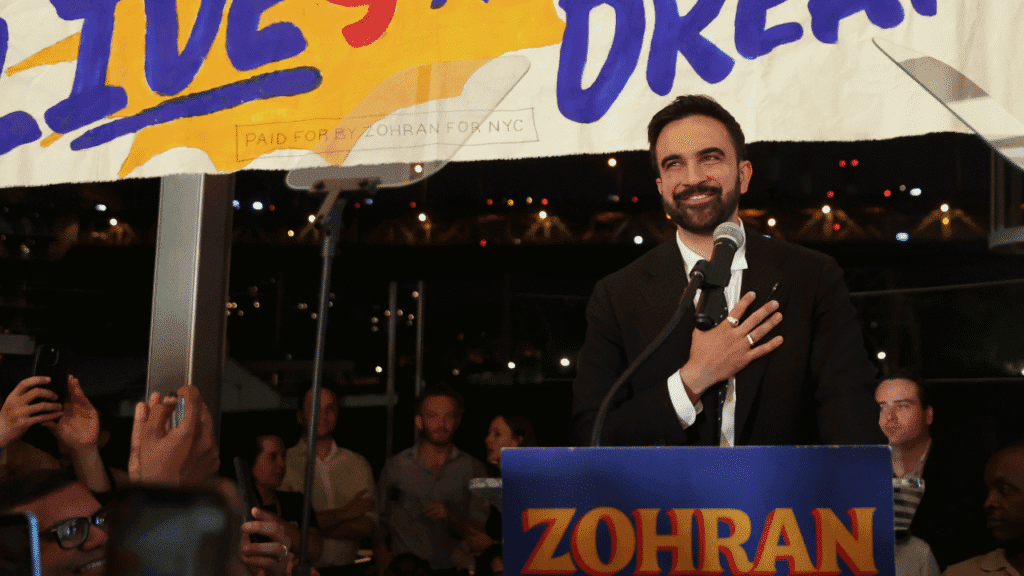
Democratic socialist Zohran Mamdani, independent Andrew Cuomo, and Republican Curtis Sliwa are vying for the city’s top office. Mamdani, energized by young and progressive voters, leads recent polls but faces a narrowing margin as Cuomo appeals to moderates and centrist Democrats. Sliwa, meanwhile, runs on public safety and quality-of-life concerns, maintaining a strong but divided GOP base.
What’s Driving Voter Choices
The election has turned into a referendum on affordability, housing, and the future of city governance. Mamdani’s progressive platform—focused on rent freezes and free city buses—contrasts sharply with Cuomo’s promises to restore trust and stability. Sliwa’s presence keeps attention on crime and municipal reforms. Recent data shows the race tightening, as Cuomo gains ground and late campaign moments grow increasingly decisive.
Higher Turnout and Changing Coalitions
Record early voting suggests a motivated electorate. Polls reveal deep generational divides, with Mamdani’s core support among younger voters and Cuomo/Sliwa drawing older residents. Black, Latino, and Asian voters play a critical role in coalition-building, pointing to new political coalitions that may reshape New York’s future.
The Stakes Ahead
The outcome will determine not only New York City’s next mayor, but also set the stage for national debates on urban policy, economic justice, and the future of progressive politics. Watchers expect a closely contested final vote, as every campaign seeks to rally supporters in the last days before November 4.