
Federal appeals court has ruled that Alina Habba has been unlawfully serving as the U.S. attorney for New Jersey, delivering a significant legal setback for the Trump administration. The court upheld an earlier district court decision, rejecting the government’s attempts to justify Habba’s continued role through a patchwork of legal titles and appointments. Judges noted that the administration’s efforts amounted to a “shell game” designed to maintain her leadership despite lacking the proper Senate confirmation.
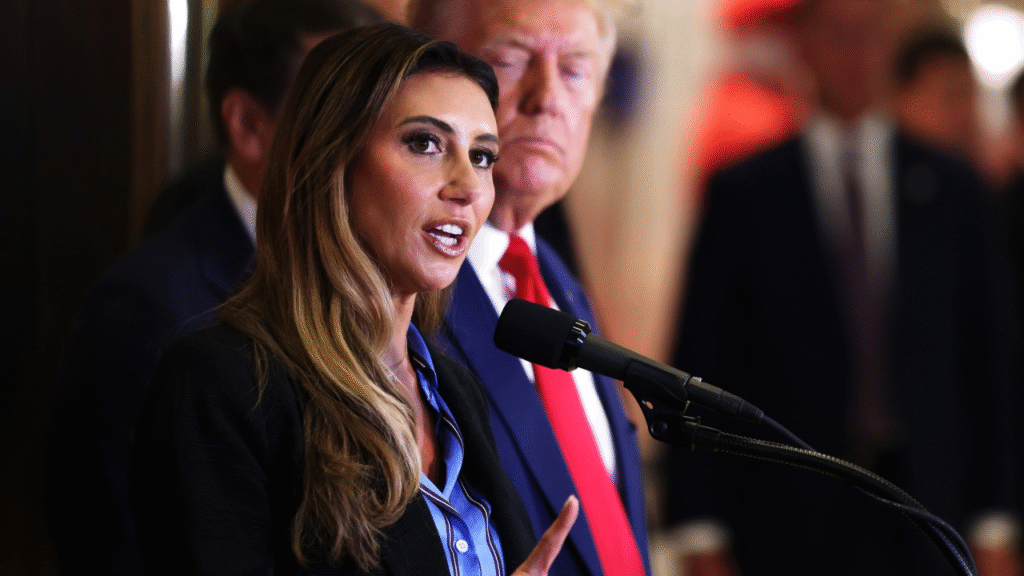
Habba’s Disputed Tenure and Appointment
Habba, who formerly served as President Donald Trump’s personal attorney, was appointed interim U.S. attorney but her 120-day term expired in July 2025. Attempts by the administration to keep her in the role—via designations like “special attorney” and “first assistant U.S. attorney”—were ruled insufficient to confer legal authority.
Legal and Political Implications
The ruling highlights the administration’s struggles to navigate legal and political hurdles in placing preferred prosecutors in key federal district roles amid opposition from district judges. With the appeals court decision now in place, a confrontation with the Supreme Court appears likely as the Trump administration seeks to continue its approach.
Impact on Prosecutions and Broader Enforcement
Legal experts warn that Habba’s actions during her disputed tenure could be invalidated, impacting prosecutions handled by her office during that time. This decision is part of a broader judicial effort to enforce Senate confirmation requirements on interim appointments to federal offices and could influence similar cases nationwide.
Checks and Balances in Federal Appointments
The enforcement underscores the importance of checks and balances in federal appointments, particularly for high-stakes roles like U.S. attorneys responsible for prosecuting significant criminal and civil cases. The ruling serves as a reminder of the legal requirements governing interim appointments and the ongoing political battles over federal prosecutorial power.