
The U.S. government shutdown has entered its 40th day, making it the longest shutdown in American history and intensifying pressure on both Congress and President Donald Trump to resolve the funding stalemate. Senators remained in Washington for a rare weekend session hoping for a breakthrough, but negotiations remain deadlocked as millions of federal employees continue to work without pay and key services—from air travel to food aid—face severe disruption.
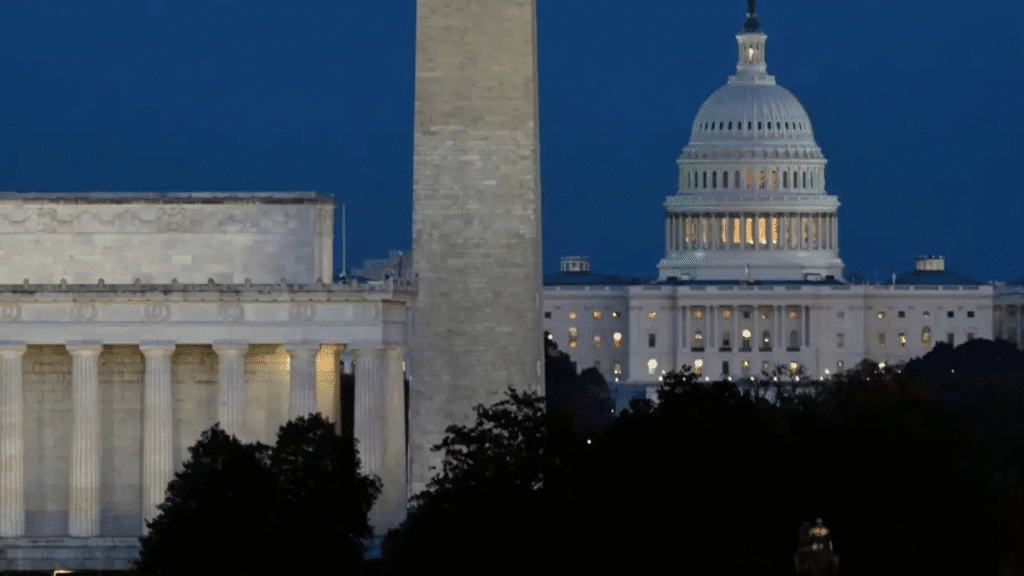
Divided Congress and Growing Frustration
Although Republicans hold a majority in both chambers, they lack enough Senate votes to advance a spending bill without Democratic support. The central issue: Democrats are demanding an extension of Affordable Care Act subsidies to protect health coverage for millions, while Republicans want to reopen the government before considering further health care funding. Trump and Senate Republican leaders have urged an end to the filibuster rule to push legislation through, a move opposed by many in their party. Vice President JD Vance called for swift action, backing Trump’s stance against compromise and encouraging senators to end the standoff regardless of traditional Senate rules.
Impact on Americans and Services
With contracts for thousands of federal workers suspended, food aid delayed for families, and airline cancellations triggered by staff shortages, the shutdown’s fallout is echoed across the country. Several states—including New York, California, and Wisconsin—have issued November SNAP benefits in defiance of federal hold-ups, while others await legal and administrative rulings.
Polls now show most Americans blaming Trump and congressional Republicans for the crisis, with growing calls for Congress to either compromise or find alternative ways to end the standoff. Despite bipartisan discussions, a quick solution remains elusive after repeated failed votes in both chambers and mounting frustration among lawmakers and the public.
What Happens Next
Until Congress and the president agree on a sustainable funding plan, federal workers, businesses, and families face continued hardship. With weekend negotiation sessions underway, lawmakers are searching for ways to end the impasse—either by changing Senate rules or by brokering new deals on health care and disaster funding. The country watches anxiously as the shutdown continues to break records and shape the political landscape for years to come.