
Millions of Americans who rely on the Supplemental Nutrition Assistance Program (SNAP) for food aid remain in limbo this month after the Supreme Court allowed former President Donald Trump to freeze $4 billion in funding, partially withholding crucial benefits during the nation’s longest government shutdown.
Supreme Court Decision Leaves Vulnerable Families Uncertain
The court’s “administrative stay” gave lower courts more time to consider the administration’s request to only partially fund SNAP, overturning a previous federal order demanding full payments. The Trump Administration had previously agreed to issue around $5 billion from contingency funds but objected to distributing the additional $4 billion needed for complete benefits.
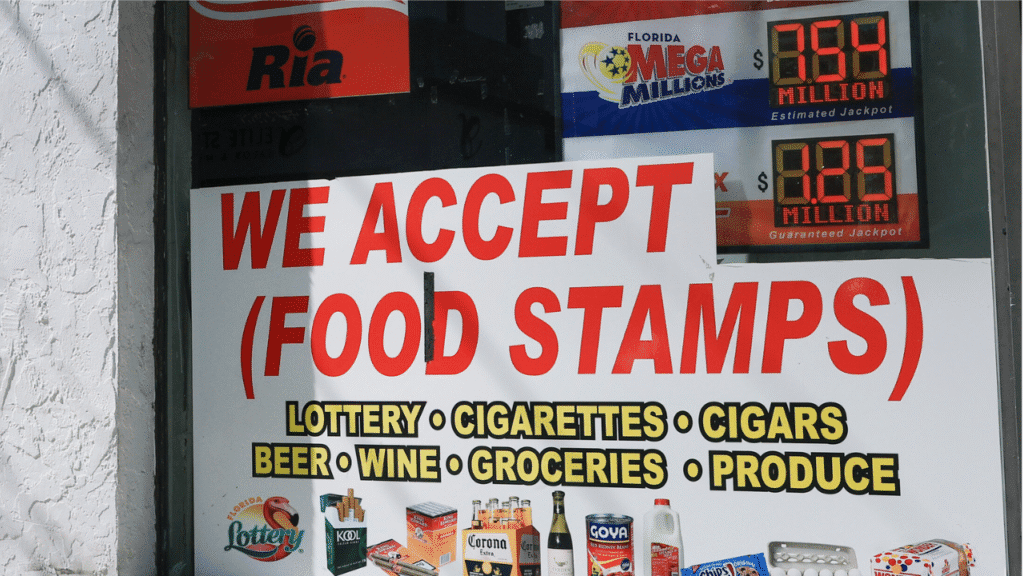
The result is a cut in support for 42 million low-income Americans—families, seniors, and people with disabilities—forcing many to turn to food banks as aid lapses for the first time in the program’s 60-year history. SNAP recipients now face uncertainty and hardship as further legal wrangling plays out over the coming weeks.
Political Standoff and Judicial Intervention
The SNAP freeze comes in the context of the ongoing government shutdown, which has stalled critical health care subsidies for low- and middle-income families. U.S. District Judge John McConnell previously ordered the Trump Administration to fund SNAP using emergency USDA reserves, later criticizing the administration for withholding benefits “for political reasons.” He warned that “people will go hungry, food pantries will be overburdened, and needless suffering will occur”.
The Department of Justice challenged McConnell’s ruling in the Supreme Court, arguing that full funding could worsen the shutdown’s chaos. In response, some states—including New York, New Jersey, and Massachusetts—moved to issue November SNAP payments in full, while others remain uncertain about future aid.
National Response and Ongoing Uncertainty
Attorney General Pam Bondi sharply rebuked the judicial order, calling it “judicial activism at its worst” and asserting the need for Congressional solutions instead of court mandates. However, for millions of everyday Americans, the current impasse means food aid is in jeopardy, leaving communities dependent on charity and local resources more than ever.
The coming weeks will be critical as courts continue to weigh the legality of withholding federal food assistance and Congress debates longer-term funding solutions. Until then, the human cost of the political deadlock will continue to ripple through neighborhoods nationwide.